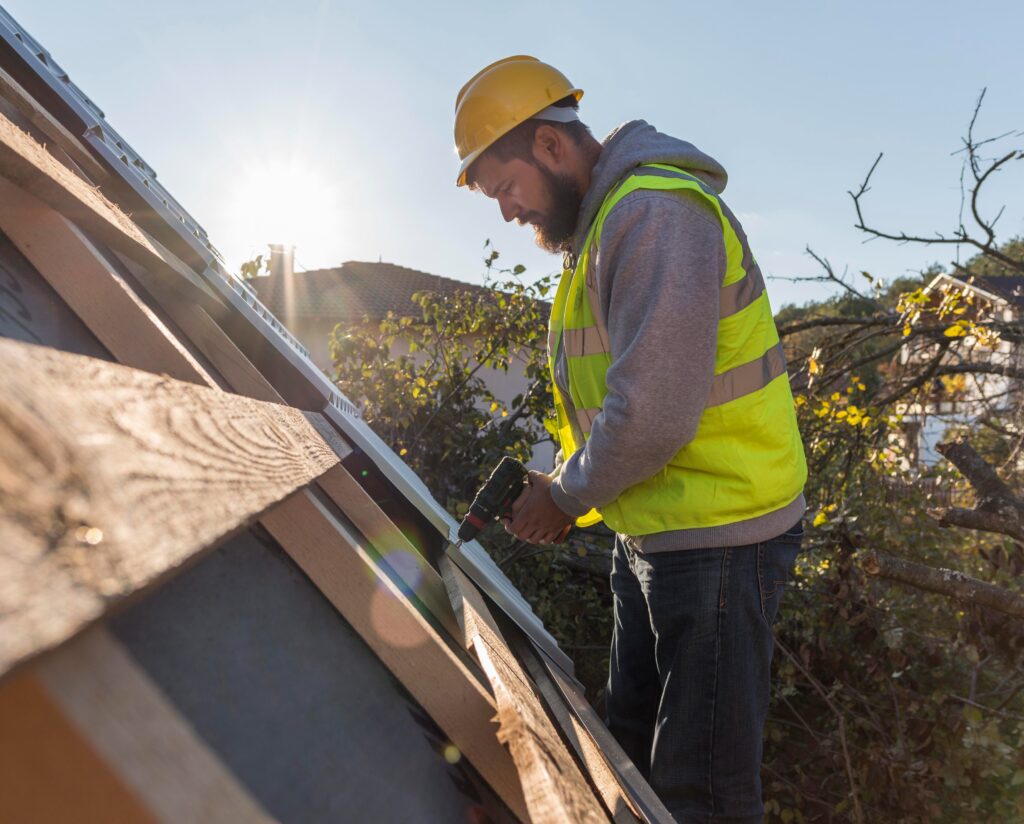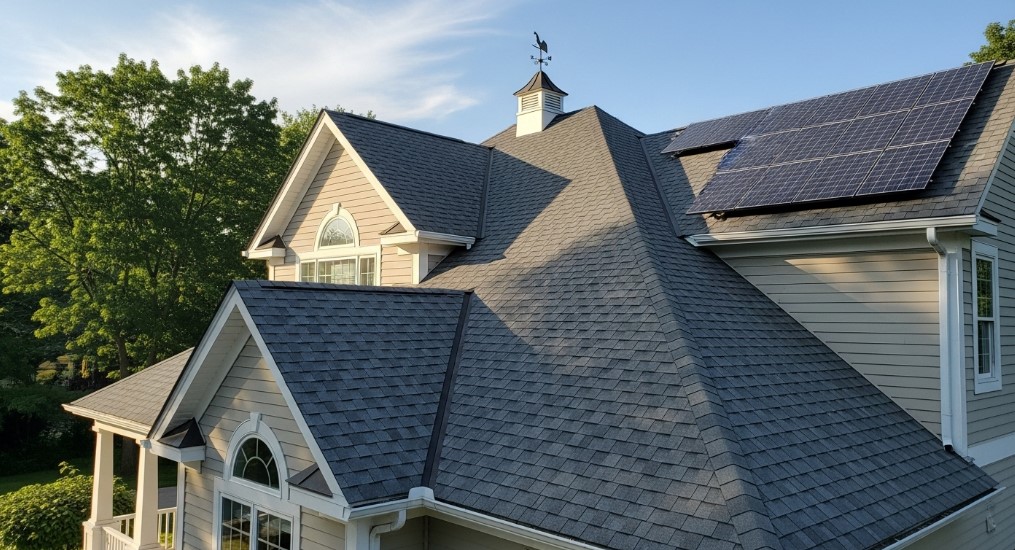
In Florida, keeping your home insurance often comes down to one thing: the condition of your roof. With insurance companies tightening their requirements, passing a “Roof Inspection for Insurance Florida” has become the #1 stress for homeowners. Whether you need a 4-Point Inspection or a Wind Mitigation report, knowing what inspectors look for can save you from a non-renewal notice.
What Do Insurance Inspectors Actually Look For?

When an inspector climbs onto your roof, they aren’t just looking for leaks. They are looking for “actionable” conditions that justify cancelling a policy. Knowing the criteria for a roof inspection for insurance Florida policies require can prevent unexpected cancellations
- Granule Loss: If your shingles look “bald” (missing the gritty top layer), it signals the roof is near the end of its life.
- Lifting Shingles: Shingles that aren’t sealed down properly are a major liability during hurricanes.
- Tree Overhang: Branches touching the roof provide a path for rodents and can scrape off granules.
The “15-Year Rule” in Florida Many Florida insurers are now forcing homeowners to replace roofs that are just 15 years old, even if they aren’t leaking. However, if you have a Roof Certification Inspection proving the roof has at least 3-5 years of useful life left, you can often fight back against these demands.
How to Prepare for Your Roof Inspection for Insurance Florida
Don’t let a dirty roof fail you. Before the inspector arrives:
- Clean the Gutters: Clogged gutters suggest poor maintenance.
- Remove Debris: Sweep off pine needles and leaves.
- Soft Wash: If you have dark streaks (algae), a professional soft wash can make an old roof look 5 years younger.
Wind Mitigation: The Money Saver
This is a specific type of inspection that checks how your roof is attached to the walls. If you have “hurricane clips” or “straps,” you aren’t just safer—you are legally entitled to a discount on your premium. For official guidelines on how these improvements can lower your premiums, check the My Safe Florida Home program, which provides grants for strengthening roofs against hurricanes.
4-Point Inspection vs. Wind Mitigation: What’s the Difference?
Many homeowners confuse these two inspections, but they serve completely different purposes.
- 4-Point Inspection: This is required for older homes (usually 30+ years). It checks four systems: Roofing, Electrical, Plumbing, and HVAC. If your roof fails this, you might not get insurance at all.
- Wind Mitigation Inspection: This is optional but highly recommended. It focuses solely on how your roof is attached to your home (geometry, nailing pattern, roof-to-wall connections). Passing this doesn’t just help you get insured; it directly lowers your monthly premium.
What To Do If You Fail Your Roof Inspection
Receiving a “failed” report can be terrifying, but it’s not the end of the road.
- Get the Detailed Report: Ask the inspector for the specific photos showing the damage. “General wear and tear” is often vague; you want to see the specific lifted shingles or granular loss.
- Repair vs. Replace: Sometimes, a professional repair can extend the life of the roof by 3-5 years. Ask a licensed roofer to write a “Roof Certification Letter” stating the roof has remaining useful life. Some insurance carriers will accept this letter even if the original inspector flagged the roof as old.
- Shop Around: Different insurance carriers have different tolerance levels. While one company might reject a 15-year-old shingle roof, another might accept it with a satisfactory 4-point inspection.
Don’t Wait Until It’s Too Late
Scheduling a professional roof inspection for insurance Florida homeowners trust is the best way to secure your policy renewal. Whether you need to prove your roof’s life expectancy or document wind mitigation features for a discount, being proactive is key. Don’t wait for the non-renewal letter to arrive—contact us today to ensure your roof is ready for inspection. Ultimately, passing a roof inspection for insurance Florida carriers accept is the only way to guarantee your home stays protected during hurricane season.